For once, Matt LaFleur and the Packers benefited from another team’s collapse. Green Bay beat the Jets, but the win still felt like a loss. The Jets made the bigger mistakes; the Packers spent more than three quarters looking sluggish and unprepared. LaFleur got the best result a coach can ask for after an ugly performance: a win and plenty of tape to correct. The trouble is that several of these problems carried over from earlier games.
Where Green Bay Fell Short
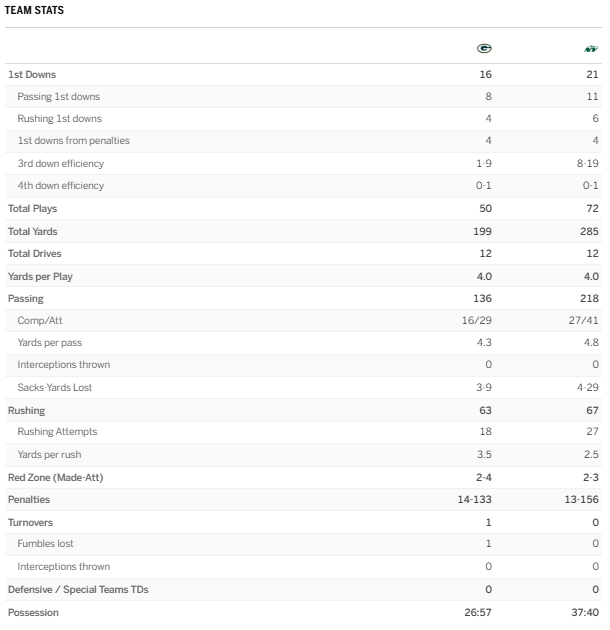
Penalties. Green Bay had 14 accepted penalties for 133 yards. Entering the fourth quarter, the Packers had gained fewer yards on offense than they had given away in penalties. Some calls were questionable, but this team has to play cleaner. A reputation for penalties does Green Bay no favors on borderline plays.
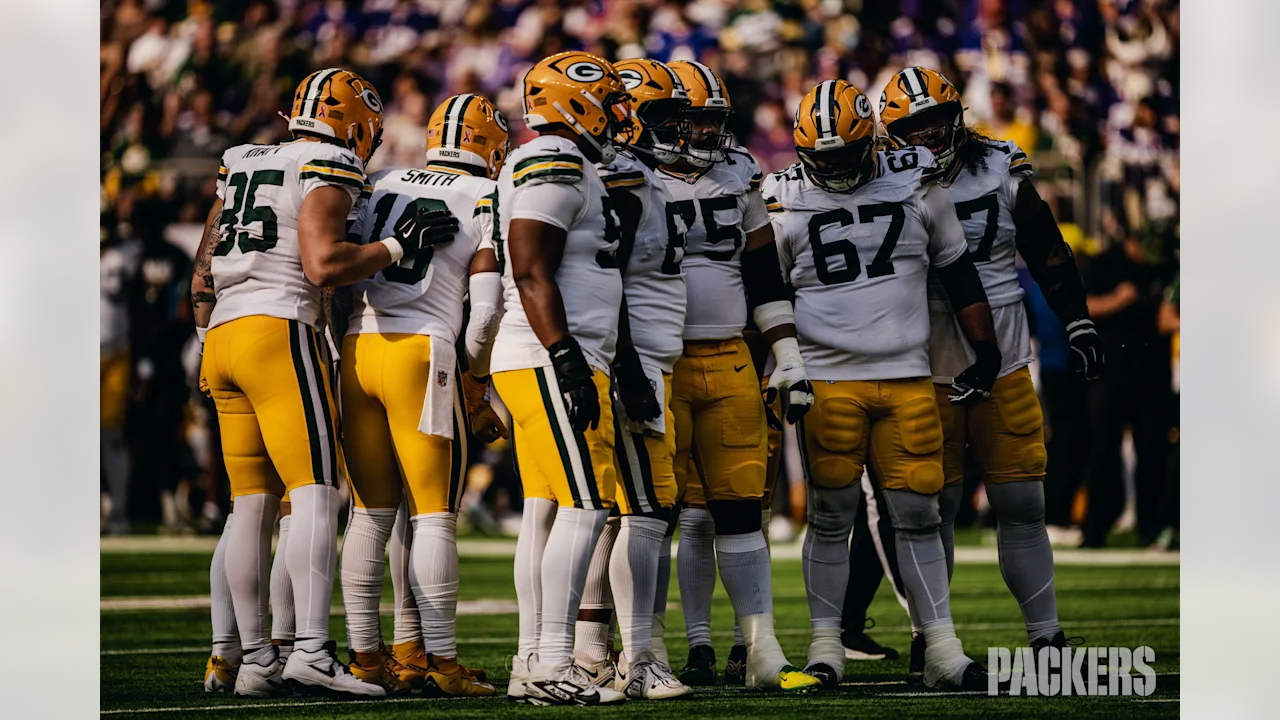
Execution. The first three drives set the tone. The Jets sniffed out the orbit motion and screen to Jayden Reed on the opening play. Reed suffered a potentially season-ending injury on the next play, and Zach Bako-Bewele was hurt on the third. On Green Bay’s first third down, Matthew Golden dropped a pass that could have moved the chains, perhaps for much more. The sloppy start lasted well beyond those opening snaps.
The Packers were not ready to play, and some of that responsibility belongs to LaFleur and his staff.
What Worked
The defense continued to handle an overmatched offense. Through two games, Green Bay has allowed 524 yards on 133 plays, an average of 3.9 yards per play. The offense’s stalled drives have made the defense’s job harder, giving opponents chances to stay close or score despite that strong play.
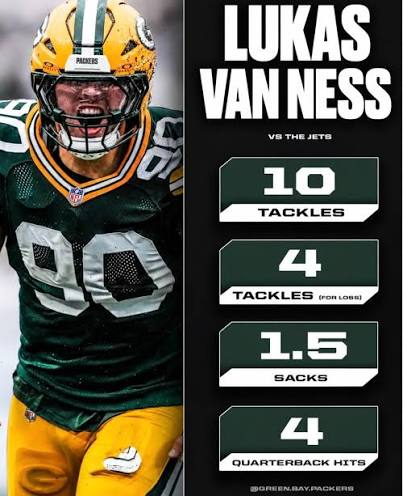
Lukas Van Ness had his best game as a pro when Green Bay needed it. He recorded 10 tackles, four tackles for loss, 1.5 sacks and four quarterback hits. His biggest play came late in the fourth quarter, with the score tied: he stuffed a fourth-and-one near midfield and gave the Packers a chance to win in regulation. The offense squandered it. Rookie edge rusher Dani Dennis-Sutton also pressured the quarterback throughout the game, helping the front and secondary keep the Jets out of the end zone for much of the contest. Rookie Brandon Cisse missed a chance at his first career interception on a pass that became a touchdown, but he was in position on a difficult route at the goal line. That is progress.
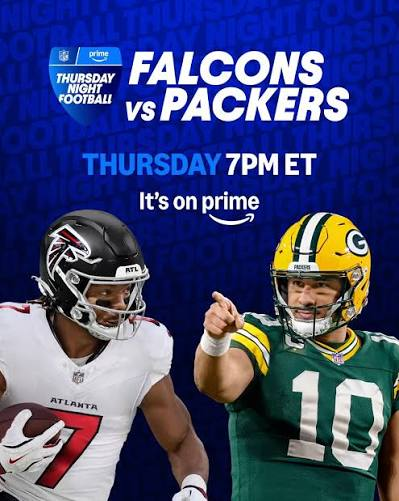
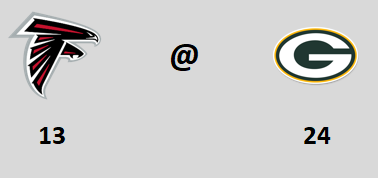
Week 3 Preview: Atlanta @ Green Bay
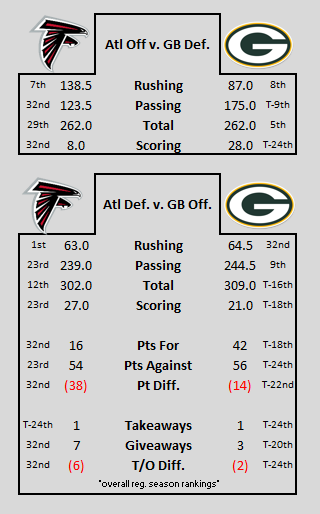
Atlanta arrives at 0–2 with the league’s lowest-scoring offense at 8.0 points per game. The Falcons have yet to run a play in an opponent’s red zone. Green Bay, now 1–1, has a top-five defense by yards allowed, but Atlanta is returning quarterback Michael Penix Jr. to the starting lineup. Penix has started 12 career games and appeared in 14, completing 59.6% of his passes for 2,757 yards, 12 touchdowns and six interceptions, with an 85.8 passer rating. He should give Atlanta’s offense a lift.
Bijan Robinson gives Penix a dynamic option on the ground and through the air. Through two games, Robinson has 254 yards from scrimmage—155 rushing and 99 receiving—and a touchdown. He has also fumbled twice, something Atlanta will need him to clean up. Drake London and Kyle Pitts bring difficult matchups of their own. London has been a steady producer, while Pitts has the athletic gifts to do more than his production has shown. Green Bay will need to track all three. I expect Javon Bullard and Edgerrin Cooper to draw much of the work against Pitts; they are among the Packers best equipped to match his speed and physicality.
Who Has the Advantage?
Green Bay is the better team on paper, but it cannot count on that alone. The Packers appear to have the edge in most areas. The concern is the ground game: Green Bay’s rushing attack ranks 32nd, while Atlanta’s run defense ranks first. Atlanta’s defensive line also has the advantage against a Green Bay offensive line that has struggled with four-man pressure. Establishing the run early would help protect Jordan Love and keep the offense out of obvious passing situations. LaFleur said after the Jets game that he wished he had committed to the run before the fourth quarter. Thursday is his chance to do it.
Prediction
Both teams face a short week, but the Packers get to stay home. That gives Green Bay more time to settle into a routine and prepare. With the stronger roster and room to improve offensively after two uneven games, the Packers should have the edge—if they show up ready to play from the opening snap.
What we saw last week – and down the stretch last season – does not feel like a simple “it’s only Week 1” anomaly. Still, we have to hope that is exactly what it was. The New York Jets present Green Bay with an opportunity to put together a complete game, restore some confidence and, most importantly, get the offensive line back on track.
The Jets entered the 2026 season with Aaron Glenn in his second year as head coach, and they are coming off a convincing 23-10 Week 1 win at Tennessee. New York and Cleveland have been prime examples of losing organizations in recent years, but Packers fans do not need a reminder that a bad opponent can still ruin a Sunday. Green Bay went into Cleveland in Week 3 last season and dropped a game to an awful Browns team.
The Jets have not made the playoffs since the 2010 season, when they lost to Pittsburgh in the AFC Championship Game before Green Bay beat the Steelers in Super Bowl XLV. Since 2011, New York has produced just one winning season – a 10-6 finish in 2015 – while compiling an 85-160 record (.347).
Some believe the Jets may finally be turning things around after last week’s win. They dominated time of possession, overcame a lost turnover battle and committed twice as many penalties as Tennessee, yet still won comfortably. Their defense allowed only 195 total yards and 10 points. Then again, the Titans could be competing for the No. 1 overall pick in the next draft, and Week 1 results can be deceptive. This may still be a mirage.
How Do These Teams Match Up
There is no Matchup Matrix yet, but the Packers offense is not the Titans offense. It is hard to imagine Green Bay’s offensive line putting worse tape on film than it did last week, so the Jets should have a much tougher time holding Love and company under 400 yards, let alone near the 195 yards Tennessee managed.
Beyond the offensive line, the biggest issue to watch is ball control. Establishing the run and winning in the trenches should allow Green Bay to control possession in the first half. That, in turn, would let Matt LaFleur and Jordan Love open things up and play loose after halftime – ideally with a lead large enough that even LaFleur and the Packers cannot piss it away.
When New York has the ball, the Packers defense needs to perform the way it did last week. If that unit is not stuck on the field for more than 18 minutes in the first half, it should be good enough to win this game.
Players to Watch
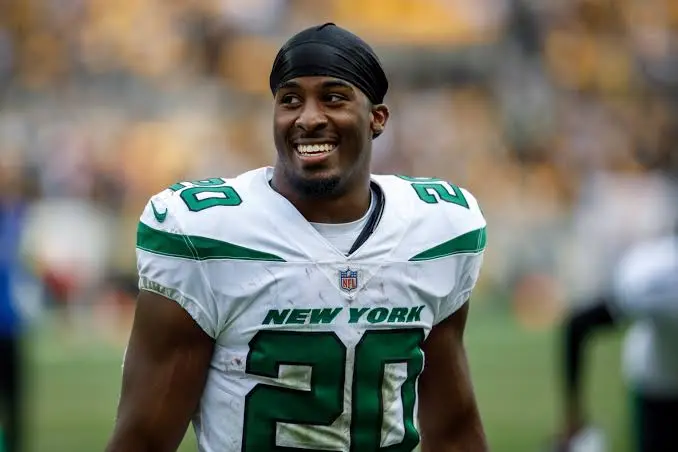
Sticking with the time-of-possession theme, the Jets fully committed to the run against Tennessee: 39 rushing attempts compared with only 24 passes. New York has two capable halfbacks in No. 20 Breece Hall and former Wisconsin Badger No. 0 Braelon Allen. They combined for 32 carries, 142 yards (4.4 per carry) and a touchdown. The Jets’ other touchdown also came on the ground, courtesy of tight end Kenyon Sadiq.
Green Bay allowed 107 rushing yards on 34 attempts last week – only 3.1 yards per carry – and must repeat that performance. If the Packers can play from ahead and force the Jets to throw, the game should tilt heavily in Green Bay’s favor.
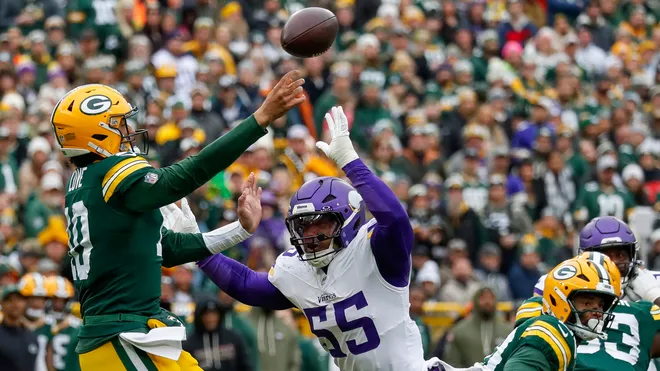
Lukas Van Ness had a solid game at U.S. Bank Stadium aside from the offsides penalty that helped set up Minnesota’s first touchdown. He and Keisean Nixon will need to keep setting the tone for Green Bay to come out victorious. That will be true every week until Micah Parsons returns.
LaFleur has reached the point where he can no longer be defended.
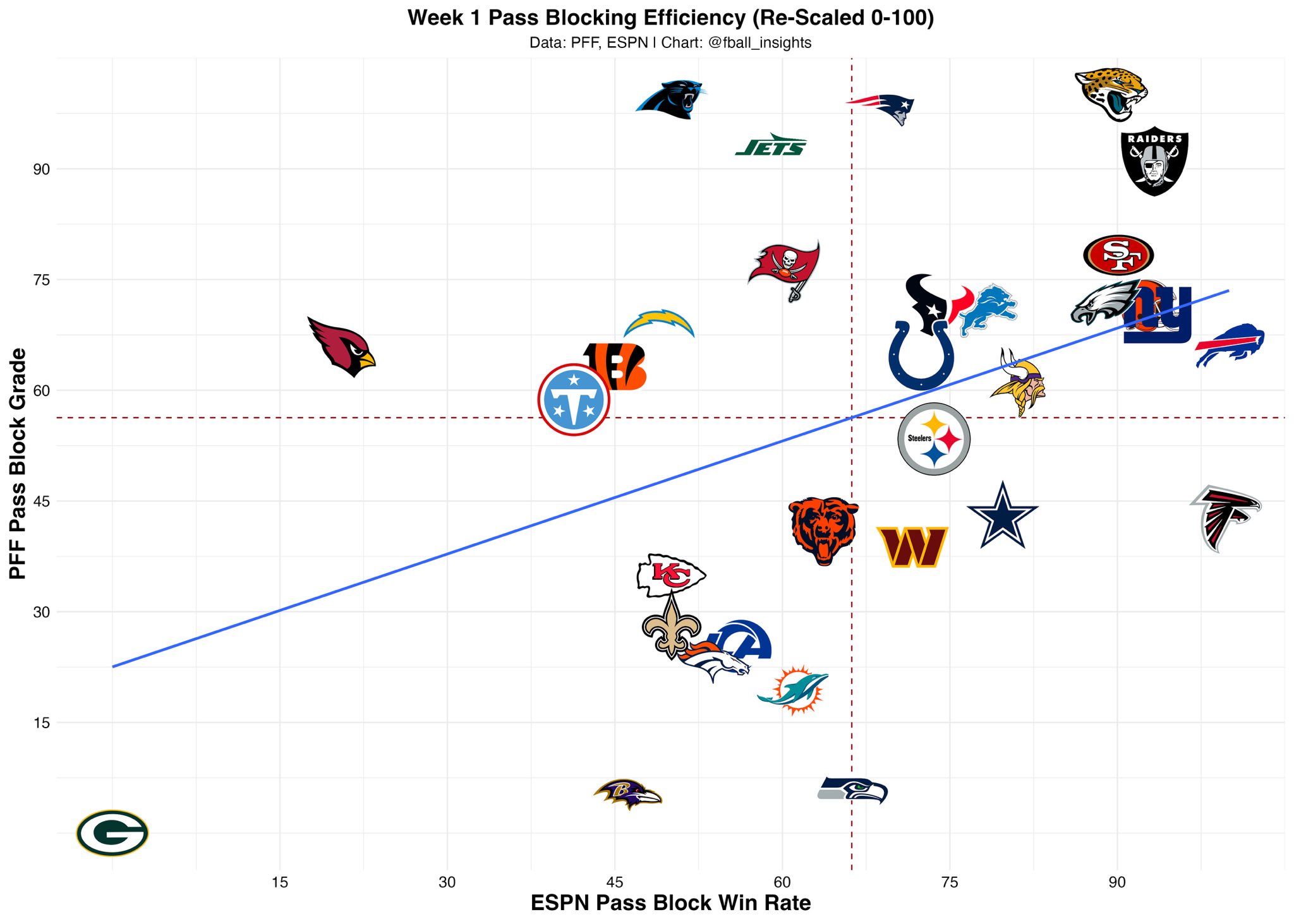
The Offensive Line situation was offensive.
The NFL is unable to hide their officiating problem any longer.
LaFleur Has 16 Games Left…
…to prove he’s able to close games out against tough opponents. There have been countless games over the course of his tenure where Green Bay was clearly the better team with the lead, late in games, and we’ve come up short. Typically, I’d blame the quarterback for choking, but Love has made the plays in each of these games to win – it’s been the play calling, design, and overall team attitude in such scenarios that have led to the eventual demise. Aside from Sunday where the O-line dictated that not to be on the quarterback. I may have been the last LaFleur defender, and the issue now is he spent the entire offseason talking about “finishing games,” and wanted to be aggressive to prove that he “isn’t conservative” when late in games. The issue I take with this is it’s the same problem; the lack of awareness of when to be over-aggressive vs. when to be smart and conservative. The play in particular came with the Packers leading 22-17 with 13:17 left in the ballgame and the defense had kept the Vikings in check for pretty much the entire game. It didn’t feel necessary, and keeping the points on the board meant the worst-case scenario is your offense gets the ball back late in the 4th quarter in a tie game – had he chosen to keep the field goal on the board the game would’ve been 25-17 with just over 13 minutes left in the game. It just didn’t feel necessary, and actually felt forced, like he was trying to prove to the team and fans, “Hey, see, I’m going for the win.”
OL Situation is Bad…Is it Fixable?
The Packers started Donnovan Jennings and Jacob Monk at the guard positions (Left and Right, respectively) when they hadn’t been with the starters all camp or preseason. The headscratcher is that rookie, Jager Burton, and 2nd year pro, Anthony Belton, had looked good, Burton especially. The continuity alone – or lack thereof – could be the reason for so many missed assignments up front. While no one should have much confidence or expect things to drastically improve, it is possible. Hell, it can’t get any worse!
The Officials Took Over the Game
The referees essentially gave Minnesota 3 free possessions on one drive. We all know when that happened…it was the ensuing drive from when LaFleur took the points off the board and Love checked to a QB sneak on 4th and a long 1 from Minnesota’s 17-yard line in the 4th quarter. That decision and lack of execution coupled with the assist from the refs completely swung momentum into Minnesota’s favor. Each call was more egregious than the previous, with the last being on an interception in the end zone by Evan Williams which would’ve stolen momentum right back to Green Bay and given Love and co. the ball and a 5-point lead with 6:49 left in the game.
Green Bay wasn’t alone in the disastrous zebra show on Sunday; the Saints had a game-changing play wiped away due to an explanation that makes it impossible to defend the league that it’s not rigged. New Orleans was playing the Lions in Detroit; they strip-sacked Jared Goff when the ball was jarred loose, flying backwards when a Saint defender scooped it up and scored a touchdown. The league proceeded to review it and called it an incomplete pass because Goff “intended” to throw it forward. Just an absolute farce, no other way to put it.
Breaking Down the Stats
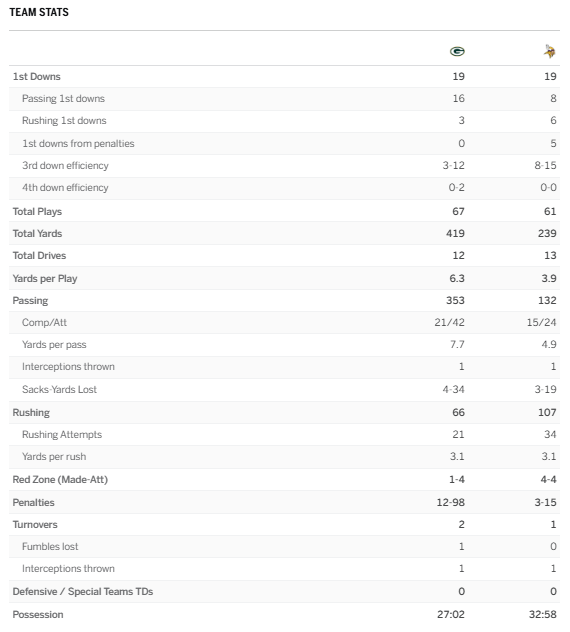
While Green Bay had minimal issues moving the ball, even with the atrocity that was of the O-Line, the concern I had towards the end of the 1st half was the time of possession discrepancy. The Vikings had a large advantage in that department due to the quick drives by the Packers, whether they scored or not. That’s a result from not being able to establish the run ‘nor being able to run at all. The Packers finished the game with only 66 yards rushing on 21 attempts (3.1 avg). That will wear the defense down and allow for scores by the opponent later in the game, which is exactly what we saw.
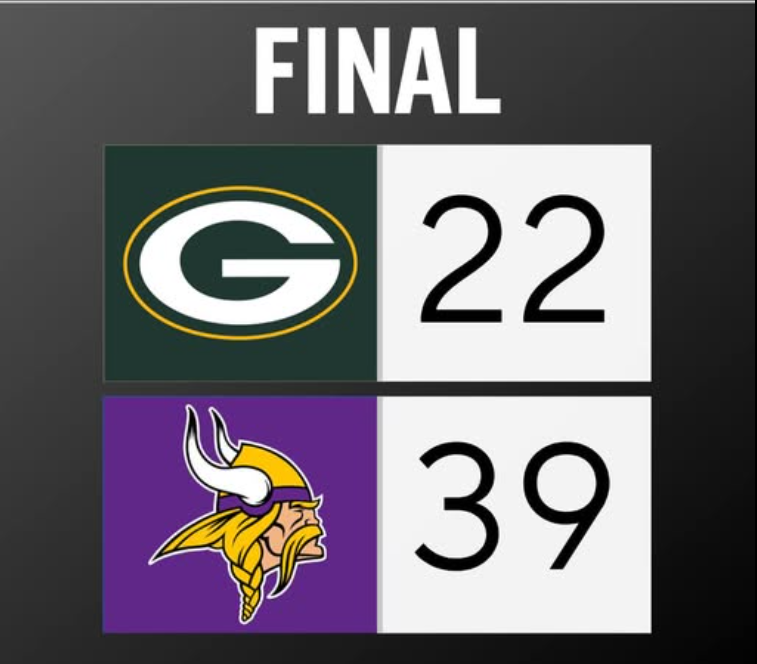
Much has been made on social media about the Packers outgaining the Vikings 419 to 239 averaging 6.3 yards per play vs. Min’s 3.9, and it should be a big deal. When a team outgains an opponent by that margin, especially on yards per play, that team should not lose. Yet, somehow Green Bay not only lost, but lost by 3 scores. It’s rare, it does happen, but it’s extremely rare. We keep saying this, but all that matters are Wins and Losses. Turnovers obviously played a part in this, but the game was essentially over after the sack-fumble, but as stated prior, the refs handed Minnesota 3 turnovers on one drive. Therefore, the turnover margin was really 5:1 in Minnesota’s favor. That’s how you end up outgaining your opponent by a significant margin, but lose the game…by 3 scores.
Is there a Bright Spot?
First and foremost, the fact Jordan Love was able to pass for 387 yards while being chased on nearly all of his 45 drop backs, is incredible. He didn’t look sharp early in the 1st quarter, but eventually settled down and made some really impressive throws that were mostly caught. The drops didn’t seem to turn their ugly head and had Packer nation feeling “good” about how things were trending. Love finished 21 of 42 (50%) for 387 yards, 2 touchdowns, 1 interception for a QB Rating of 88.1. It’s worth nothing the interception was due to immediate (and immense) pressure and it was tipped upon release.
The other bright spot was the defense, specifically Keisean Nixon. Nixon started the game with a tackle for loss on the game’s very first play. Then on the next play he came up with a huge interception. Prior to the Points Off The Board drive, the Packer defense allowed 141 yards on 48 plays (2.9 yards/play) and 17 points; goes without saying, plenty good enough to win almost any game. This is one of those games where the Packers gave up 39 points and the defense wasn’t to blame.
The reigning question will be “Can they close out games against tough opponents?” The good news is this team did just that on 5 occasions a season ago – but that was mainly due to their Closer, Micah Parsons. If, and that’s a BIG IF, the offensive line can get their act together and Micah returns to form – there’s hope.
Both teams expected last season to end far better than it did.
Green Bay was marred by injuries, which completely derailed its season and likely contributed to several late-game collapses. Minnesota entered the year coming off a 14–3 season in 2024, but its decision to let Sam Darnold walk and commit to J.J. McCarthy did not pay off. The Vikings finished 28th in total offense and 26th in scoring.
Minnesota’s defense remained its strength, finishing third in yards allowed and seventh in scoring. Once again, the whole was greater than the sum of its parts—a credit to defensive coordinator Brian Flores.
The biggest question in Minnesota is whether acquiring Kyler Murray was the right decision—and whether he is the quarterback who can right the ship (pun intended).
As for Green Bay, the Packers appear to have been stuck in neutral since the 2023 season. They have earned the No. 7 seed in each of Jordan Love’s seasons as the starter, producing only one playoff victory during that span. It is officially put-up-or-shut-up time at 1265 Lombardi Avenue.
New defensive coordinator Jonathan Gannon has his work cut out for him. Fan favorite Jeff Hafley vacated the position to become the Miami Dolphins’ head coach, and Gannon will begin the season without Micah Parsons for approximately four to five games.
As I covered in my previous post, Green Bay’s cornerback room is already a major concern. Couple that with the loss of its best pass rusher, and the first quarter of the season could be difficult for the Packers’ defense.
If Green Bay can remain competitive until Parsons returns—and stay healthy afterward—the Packers should have a chance to make the playoffs. Whether they can finally advance beyond the Wild Card round is another question.
How Do These Teams Matchup?
Minnesota’s defense ranked third in yards allowed and seventh in scoring last season. Green Bay’s offense finished 15th and 16th in those categories, respectively. That is the matchup to watch—and the one most likely to determine the outcome.
A season ago, the Vikings surrendered 20 or fewer points in nine of their 17 games.
Love and the Packers must play efficiently and protect the football—which, admittedly, could be said about almost any team in any game.
In Love’s lone appearance against Minnesota last season, he was efficient enough, but Green Bay’s defense—and J.J. McCarthy’s performance—ultimately won the game for the Packers. It would be dangerous to expect the same result this time. Parsons, the leader of Green Bay’s defense, will be unavailable, while McCarthy will no longer be Minnesota’s quarterback.
On the other side of the ball, Minnesota’s new quarterback faces a familiar opponent. Kyler Murray will go against Jonathan Gannon, his former head coach in Arizona. Perhaps Gannon can use what he learned from their time together to exploit some of Murray’s tendencies. It is another storyline worth watching.
Remember: Week 1 Can Be an Anomaly
The first week of the season is rarely a reliable indicator of what a team will become.
As I have covered in previous entries, good teams can look awful in Week 1 and still recover. If Green Bay gets blown out—or vice versa—it will not necessarily indicate how either team will perform throughout the season.
In a league built on overreaction, Week 1 is the ultimate catalyst for hot takes—possibly including mine.
Prediction
This game comes back to Green Bay’s offense against Minnesota’s defense.
If one of the Packers’ biggest unknowns—the offensive line—can hold up in pass protection and consistently create running lanes, Green Bay should win. Until that unit proves itself, however, I cannot confidently expect it to overcome all the turnover and inconsistency along the line.
The biggest story surrounding the Packers is Josh Jacobs, and the situation has finally come to a head—well, kind of.
Jacobs has been placed on the Commissioner Exempt List, meaning he will not count against Green Bay’s active roster while the league reviews the situation. A suspension is expected, although its length remains unknown. Jacobs’ next court date is September 10, when we may learn more about the alleged altercation and how many games he could ultimately miss.
Outside of Jacobs’ situation, the biggest question coming out of training camp—and heading into the regular season—is simple: When will Micah Parsons return?
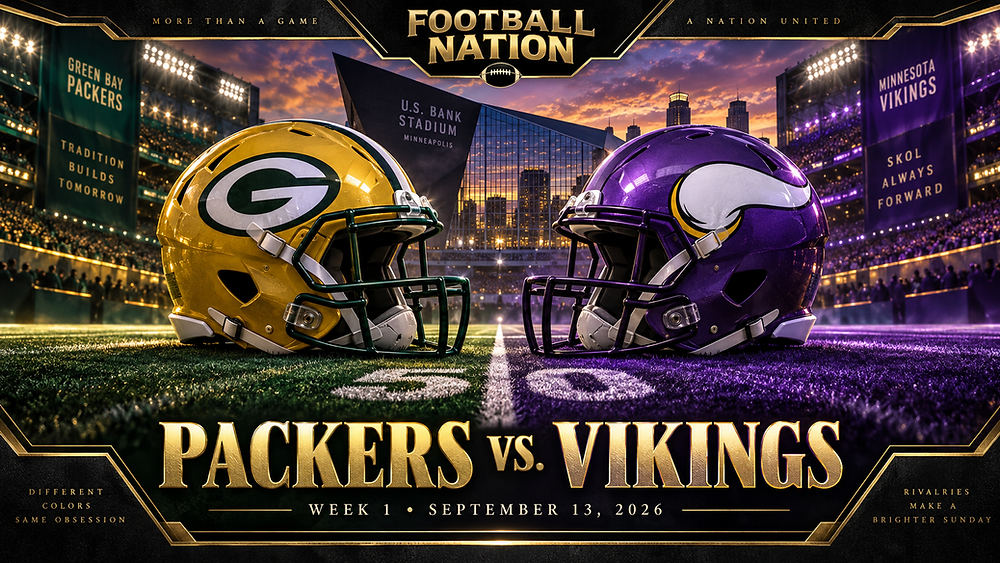
Parsons will begin the season on the physically unable to perform (PUP) list, requiring him to miss at least the first four games: at Minnesota, at the New York Jets, versus Atlanta and at Tampa Bay. If Green Bay can survive that stretch at 2–2—or, ideally, emerge at 3–1 or even 4–0—it would be a major step toward accomplishing what this team intends to accomplish this season.
In Parsons’ absence, all eyes will be squarely on Lukas Van Ness. After putting together a nice season in 2025, LVN needs to take another step forward and establish himself as one of Green Bay’s long-term answers at edge rusher.
The Packers’ younger pass rushers will also receive plenty of opportunities, and each offers considerable upside—most notably No. 57 Brenton Cox Jr., No. 99 Barryn Sorrell and rookie No. 51 Dani Dennis-Sutton. By the time Parsons returns, these players should have accumulated meaningful snaps. That experience could prove valuable when Green Bay needs them as part of the rotation during the stretch run.
Another important player returning from injury is Tucker Kraft. Despite suffering a torn ACL last season, Kraft enters Week 1 at Minnesota listed as the Packers’ No. 1 tight end. That is a very encouraging sign.
However, second-string tight end Luke Musgrave suffered a neck injury during training camp in June and has yet to return. Green Bay responded by signing savvy veteran Jonnu Smith. The Packers will be Smith’s sixth team as he enters his 10th NFL season, and he has been a consistently productive tight end throughout his career. He provides valuable depth at the position and, even after Musgrave returns, should remain an important role player in Green Bay’s offense throughout the season.
Have the Glaring Weaknesses Been Addressed?
First and foremost, there is the offensive line.
The Packers spent much of last season playing musical chairs up front, and the offensive line’s inconsistency was ultimately one of the primary reasons for their quick exit from the 2025 postseason. Although No. 77 Jordan Morgan has finally moved to his natural position at left tackle, the rest of the unit still comes with plenty of questions.
No. 50 Zach Tom—now Zach Tom-Bako-Bewele—is arguably one of the league’s best tackles when healthy. Unfortunately, he is not yet 100 percent and struggled to remain healthy throughout last season. His absence proved devastating to the Packers’ offense. Tom is every bit as important to the functioning of this unit as the guards and center.
Green Bay desperately needs to establish some continuity along the offensive line and, more importantly, keep the group healthy heading into the postseason—assuming the Packers make it that far.
The other glaring weakness is already well known: cornerback.
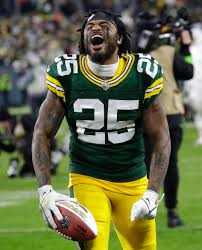
No. 25 Keisean Nixon remains CB1, but he has been a liability since taking over that role. Since Jaire Alexander’s departure, the Packers have struggled to find a legitimate top corner. Nixon was beaten far too often last season, particularly in critical situations.
Considering Nixon is no longer a young, developing player, it would be dangerous to assume he will suddenly become a true No. 1 corner—or even a serviceable starter for a team with Super Bowl aspirations.
That means rookie No. 2 Brandon Cisse will be relied upon immediately. The Packers had better hope he is ready for the assignment.
How Can We Get Excited?
When healthy last season, the Packers looked like the best team in football—until three major injuries in Denver derailed their season.
If the 2026 campaign is going to be a successful one, Green Bay will need significant jumps from several of its young players:
No. 0 Matthew Golden — WR
No. 77 Jordan Morgan — LT
No. 32 MarShawn Lloyd — RB
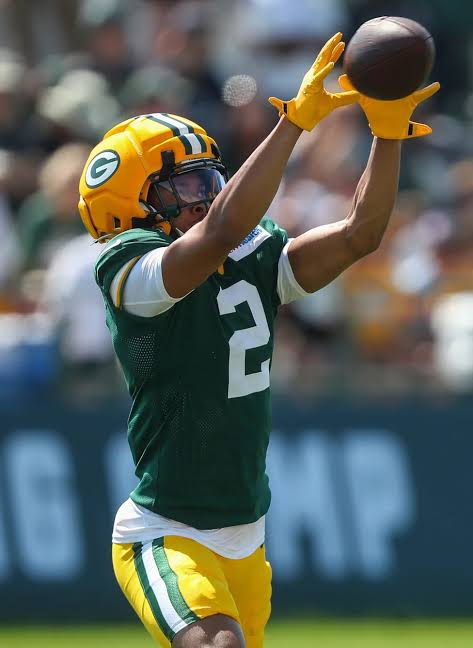
No. 2 Brandon Cisse — CB
No. 90 Lukas Van Ness — EDGE
Matthew Golden
We’re already familiar with last year’s first-round pick and what he can do. Golden’s biggest obstacles were his limited snap count and lack of targets. When the ball came his way, he was productive; for one reason or another, however, he was not given enough opportunities.
That changed in the Wild Card matchup. Golden delivered arguably the biggest play of Green Bay’s season when he scored his first career touchdown, giving the Packers a late lead over a surging Bears team. He showed a knack for finding the end zone and making plays when they mattered. This season, Jordan Love and company need to trust him to do more of the same.
Jordan Morgan
Morgan appears to be a natural fit at left tackle, and by all accounts, he has looked the part. If Green Bay has finally found a long-term answer at one of football’s most important positions, it will go a long way toward helping the Green and Gold return to the promised land.
MarShawn Lloyd
Lloyd is almost as much of an unknown as a rookie—hell, that’s essentially what he is.
Now entering his third NFL season, Lloyd has battled injuries throughout his young career and has barely had an opportunity to show what he can do. However, he possesses the talent and physical makeup to become a productive NFL running back. With Jacobs on the shelf, Lloyd should finally get his chance.
Brandon Cisse
Cisse actually is a rookie—and while rookies generally struggle, rookie cornerbacks tend to face an especially difficult transition to the NFL.
Here we go again with that word: “hopefully.”
Hopefully, Cisse can quickly develop into the top-tier corner Green Bay so desperately needs. Whether he is ready or not, the Packers may have no choice but to rely on him immediately.
How Will the Season Shake Out?
NFC
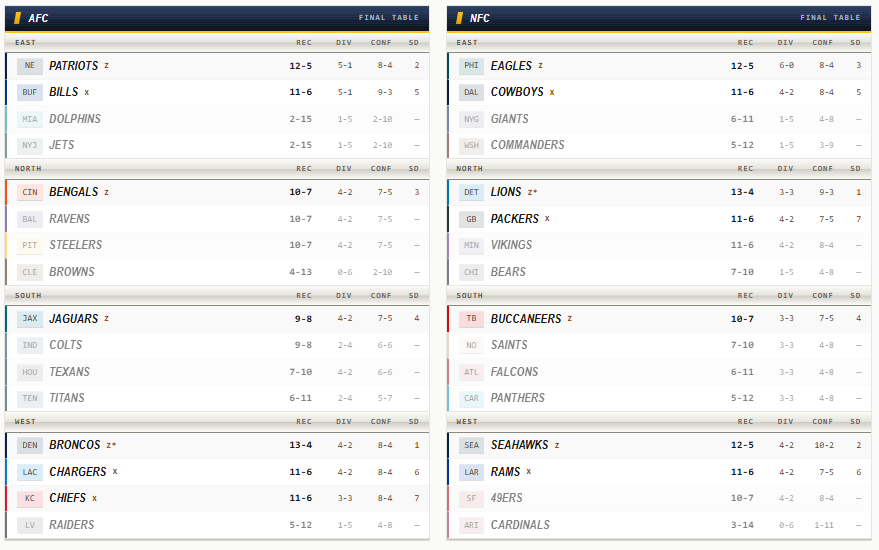
As always, I went through all 272 NFL regular-season games and picked a winner in every matchup. Each team’s projected record is the result of those individual picks—not simply a record I assigned to it. With that out of the way, let’s get into it.
Every NFL season is different, but the previous year remains the best starting point we have. With that in mind, I expect the NFC West to remain strong. Seattle, San Francisco and the Los Angeles Rams are all formidable teams capable of competing for a Super Bowl.
I also expect the NFC North to be highly competitive again, especially with Detroit unlikely to endure the same barrage of injuries it faced last season.
The other team lurking in the NFC is Dallas. The Cowboys are loaded with talent and have one of the conference’s most potent offenses. They also added enough help defensively to potentially compete for the NFC East crown.
That said, Seattle remains the defending champion. The Seahawks have not lost many important pieces and deserve to be taken seriously until someone proves otherwise.
The same applies to the Rams, who added two future Hall of Famers—Myles Garrett and Aaron Donald—to their defensive line. Remember, Los Angeles was right there with Seattle in the NFC Championship Game. Adding those two difference-makers may be exactly what the Rams need to get over the hump.
Lastly, I expect Detroit to return to the form it showed a few seasons ago, when the Lions had their first Super Bowl appearance within reach before letting it slip away. They are now a full season removed from losing both coordinators and have had time to adjust to life without Ben Johnson and Aaron Glenn. Combine that experience with a healthier roster, and Detroit should once again be a force to be reckoned with.
AFC
The X-factor in the AFC is Kansas City. They finally fell from Grace and had an off year, but still have their main core intact (aka Mahomes and Reid) and if Patty is healthy they should return to their normal spot as AFC-favorite, maybe. Denver still feels like the Real Deal and had Bo Nix not broken his foot in the Divisional Rd game v. Buffalo, likely would’ve competed better against Seattle in the Super Bowl and possibly won the damn thing.
Many people are jumping on the Baltimore Ravens’ bandwagon while simultaneously vacating the Buffalo Bills’ wagon (pun intended). I’m a firm believer in QB-play as paramount, especially in January, so as long as Josh Allen is on the Bills I’d give them a better chance than Baltimore, but the NFL is a funny league – full of surprises.
Green Bay
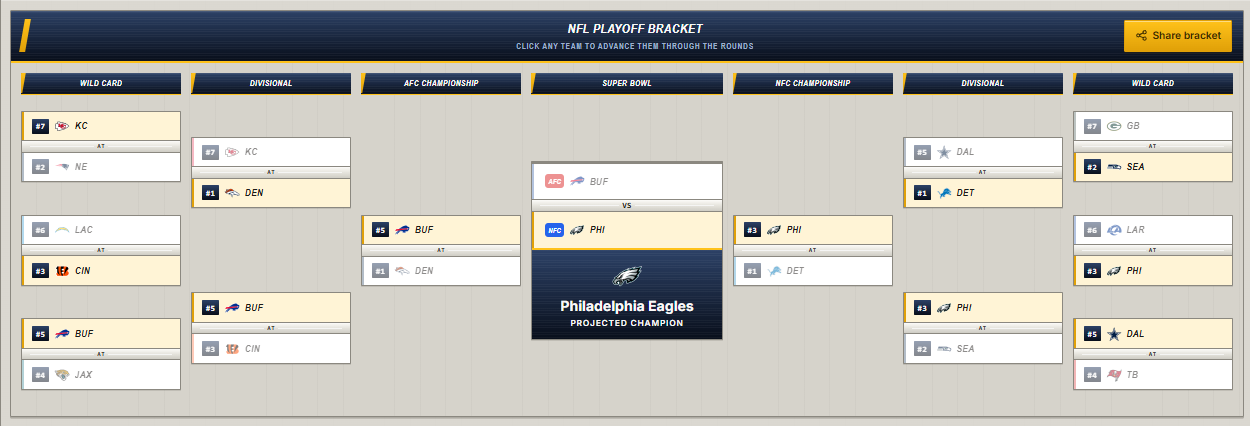
I have Green Bay finishing 11-6, 2nd in the NFC North behind #1 seed Detroit in the NFC Playoff Picture. As stated above, the key stretch for determining Green Bay’s seeding and whether they even make the playoffs, will be how they fare without Micah Parsons and Josh Jacobs (the first 4 games of the season). I have Green Bay gaining the 7th seed in the playoffs for the 4th consecutive season, which if they find another quick exit may spell disaster for the career track of Matt LaFleur and Brian Gutekunst. Gutekunst and LaFleur have assembled a roster featuring an ideal balance of youth, talent and experience. If that roster once again fails to reach the NFC Championship Game—let alone win a Super Bowl—even I would have difficulty defending both men at season’s end.
Should Philadelphia win their 3rd Super Bowl championship in 10 years, they’d be the new staple franchise, setting the standard. Say what you want about their coach, I’m not a fan of him either, however, all he does is win regular season games and he’s been to two Super Bowls having won one of them. Their team is strong and have plenty of pieces in the right places to do just this, win playoff games on the road.